Signed in as:
filler@godaddy.com
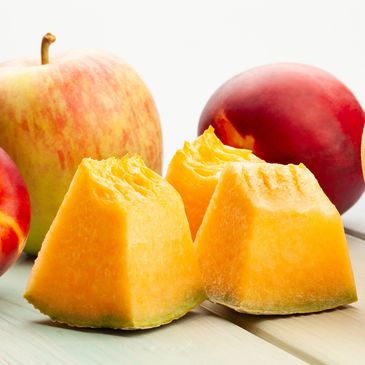
Fresh fruits play a critical role in canine health, providing hydration, fiber, antioxidants, and natural vitamins that kibble alone can’t supply.
Our go‑to fruits for developing puppies include apples, pears, peaches, watermelon (rind included), and cantaloupe—all chosen for their nutrient density and digestive benefits.
We strictly avoid avocado, grapes and raisins, cherries, all nuts, seeds, stones, and pits.
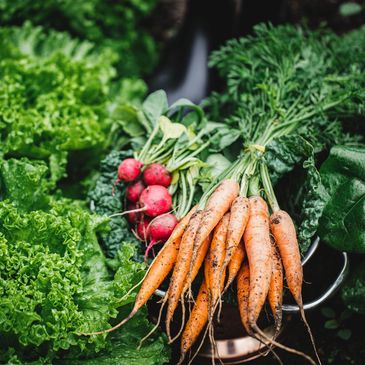
Fresh vegetables provide essential fiber, hydration, and micronutrients that support digestion, stool quality, and cognitive development.
Our puppies receive a rotating mix of freshly grated vegetables for maximum absorption and digestive ease, including carrots, celery, Brussels sprouts, broccoli, and chopped parsley.
We also incorporate select canned vegetables for convenience and nutrient density: beets, pumpkin, green beans, and occasional spinach, along with pinto, black, or kidney beans (briefly soaked to reduce sodium).
For added variety, we prepare pressure‑cooked blends of squash, carrots, celery, and small amounts of potato, cooked with chicken legs for protein, and flavor.
We do not feed chicken to puppies under 10 weeks, as early introduction can disrupt stool consistency and interfere with training.
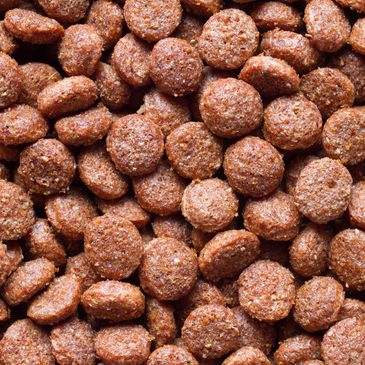
Nurture: Diet — Kibble & Meal Preparation
For kibble, our pack is primarily fed Fromm, with occasional substitutions when another premium formula is on sale.
We evaluate every product the same way: meat listed first, clean ingredient panel, strong reviews, and consistent performance.
For meals, we wet the kibble with either canned dog food or the nutrient‑rich liquids from our pressure‑cooked blends. We then mix in shredded fruits or vegetables—typically apple with celery or carrot—to increase hydration, fiber, and palatability.
Dogs get bored with repetition just like we do, so we vary the combinations to keep meals engaging while maintaining nutritional consistency.